
Published in the Irish Times, 16 April 2025.
The buzzword ‘superfood’ re-entered everyday vernacular in the 1990s. At the time, I was unfamiliar with what this marketing term represented: namely, a bunch of foodstuffs that were touted as having superior health benefits by virtue of their nutrient density.
Elevating foods to superfood status was not a new phenomenon. It was a successful marketing ploy adopted in the early 20th century to sell bananas to Americans. The United Fruit Company, now Chiquita, triumphed at converting a banana’s ranking from a little known novelty fruit to a household staple.
Honey was welcomed into the superfood hall of fame due to its antiviral properties and being rich in vitamins, minerals and amino acids. When the EU banned the use of ‘superfood’ as a misleading tool to sell ‘healthy’ foods in 2017, honey stood the test of time and scientific analysis.
Naturally made
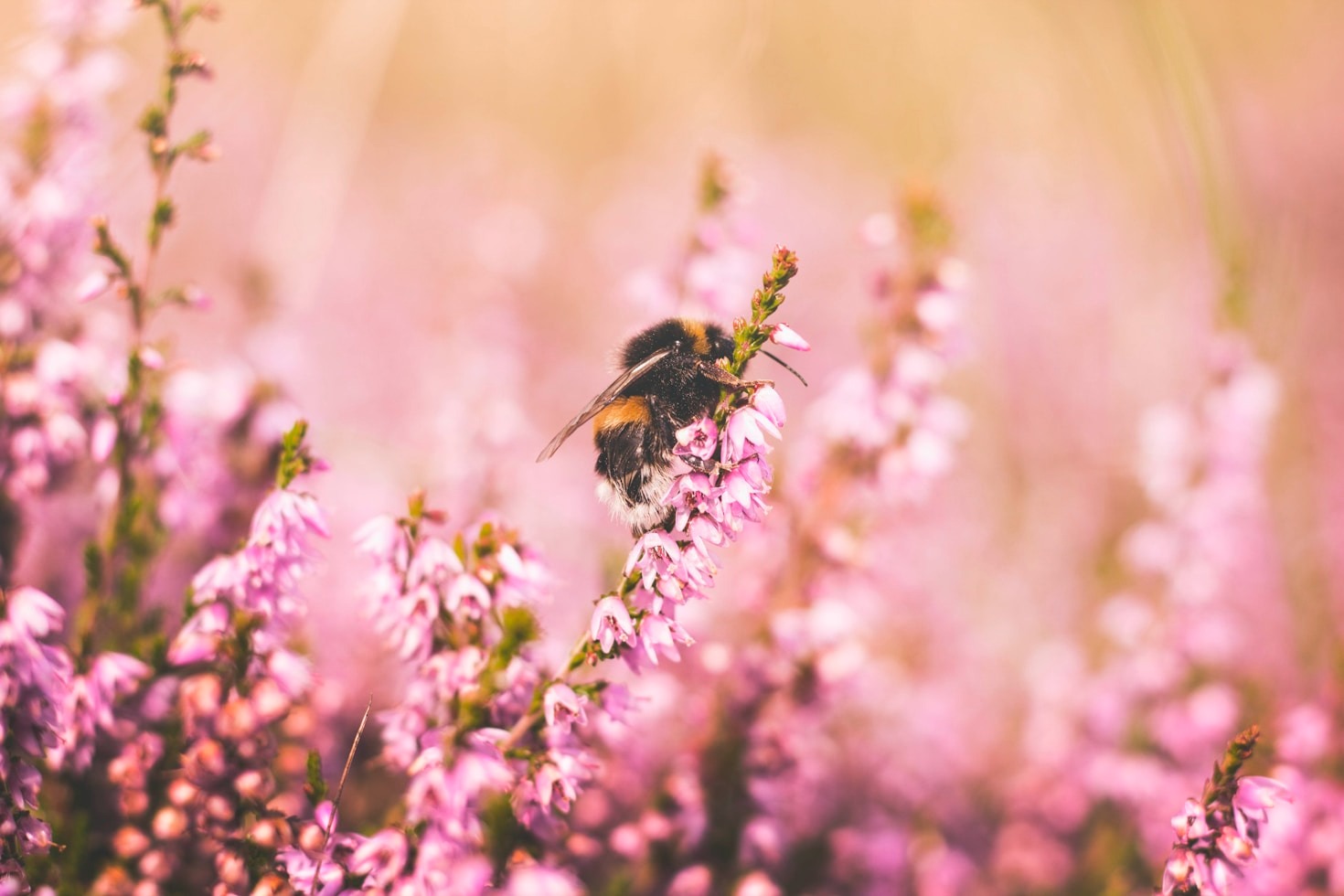
This comes at no surprise when you consider how naturally honey is made. Forager bees leave the hive and collect nectar and pollen from flowers, trees and bushes. On their return to the hive, bees add enzymes to the pollen which is inserted into the hexagonal comb and skillfully capped with a thin flake of wax.
My father, a beekeeper for 70 of his 86 years, produces honey that might be classified as pure or raw. He extracts the honey, filters it using a sieve, and pours it into the honey-jar, with little else involved. This way, its vitamins (A, B, B1, B2, B6 and C), minerals (phosphorus, calcium, iron) and amino acids are preserved and the naturally occurring enzymes remain intact.
Historically, this is how honey was harvested. Honey was the world’s first sweetener, before sugar was extracted from the sugar cane, around AD 600. On a basic level, honey enhanced flavour and made rudimentary ingredients taste better.
In medieval times, ‘honey-cakes’ or ‘sweetmeats’ became a staple in the diets of crusaders, pilgrims and travellers. The benefits of honey-cakes were manifold. As meals on the move, they had good keeping qualities, were high in calorie content, nutritious and tasty.
Mouth-watering honey recipes
Thanks to the late, great bee scientist, Dr. Eva Crane, we have a golden opportunity to step back in time and experience the diet of our ancestors. Eva documented mouth-watering recipes from medieval times that were not yet on the public record, such as this Italian Torrone.
Ingredients:
Honey 350g
Sugar 200g
Egg whites 2
Roasted almonds 450g
Hazel nuts 225g
Mixed can fruit 1 tsp
Grated lemon rind ½ tsp
Water 30ml
Directions:
Heat the honey, stirring with a wooden spoon, for an hour or until golden. Add the stiffly beaten egg whites gradually, stirring constantly, until the mixture is white and fluffy. Boil the sugar and water together in a saucepan, without stirring, until caramelized. Add this mixture gradually to the honey-egg mixture, stirring constantly. Cook it all a little longer, until a small amount dropped into cold water forms a ball. Add the nuts, candied fruit and lemon rind and stir immediately before hardening starts.
Honey’s healing powers
Honey’s multifaceted value was recognised by people of ancient civilisations. As well as being the first sweetener, it was also the first alcoholic beverage in the form of Mead. Impressively, honey was also identified as having healing powers and was used as a cure for a variety of illnesses.
With its high sugar content (fructose and sucrose) and low moisture levels, honey is an intolerable environment for yeast and bacteria to multiply, making it a natural antiseptic. Archaeologists have discovered pots of honey buried 3000 years ago in Ancient Egyptian tombs and the honey was still perfectly edible.
Honey’s unique constitution – being sterile and rich in nutrients – has positioned it as an invaluable medicinal resource for millennia.
Most commonly, honey is the go-to when it comes to curing a cold, flu or sore throat. My late aunty Marcella, who lived into her 97th year, added a drop of whiskey, lemon and cloves to honey and water and stirred this over the hob. Once it formed a gloopy syrup, it was ready for the taking and always hit the spot.
In County Laois, a traditional recipe for sore throats describes adding the juice of a turnip to a generous dollop of honey. For best results, the honey should be placed between two slices of turnip and left to soak for an hour. This combination proved an instant remedy for a scratchy throat.
A natural antiseptic
In Ireland, honey is documented as an effective folk cure for a range of ailments such as psoriasis, chickenpox, gangrenous feet, thrush, boils, hay fever, whooping cough, rheumatism, cold sores, burns and bedsores.
A little unorthodox, perhaps, is the notion that honey can remedy baldness. Massaged thoroughly onto the scalp, both night and day, it was considered an effective treatment for the follicly challenged!
As burns to the skin are an ever prevalent danger in the kitchen, this burn ointment, recorded from a Galwegian beekeeper in 1959, might be useful. It requires an array of natural ingredients from the garden, pantry and beehive as follows:
- Dock leaves
- Nóinín (Daisies)
- Unsalted butter
- Bark of an Elder Tree
- Beeswax
Directions:
Boil the honeycombs and let the wax settle on the water’s surface. Allow the water to cool until the wax has hardened. Separate the wax from the water by putting it into a bowl. To this, add the dock leaves, daisies and Elder Tree bark along with the unsalted butter. Pound all the ingredients together until a thick paste forms and apply directly to the affected area.
Bees Knees Mocktail
With springtime upon us, and dare I say it, a grand stretch in the evenings, the outdoors beckons as we emerge from hibernation. A gem of a recipe I will continue to embrace at Easter-time, is a non-alcoholic refreshing mocktail that screams spring, summer, day or night.
The Bees Knees owes its delicious depth to a healthy injection of my father’s honey. Add 40ml of 0.0 Gin with 25ml of fresh lemon juice together with a 20ml mix of honey and water. Put the ingredients into a shaker with ice, to chill and combine, and voila! It hits the sweet, fresh and citrusy notes without a dreaded hangover.
Honey has you covered
Should a pesky hangover be an issue, honey has you covered! Honey consists of 40% fructose, which is known to accelerate oxidation of alcohol by the liver. Adding two tablespoons of honey to a good squeeze of lemon juice is said to help the elimination of the congeners present in alcohol from the body. Honey, the superhero, comes to the rescue again!
The food of the gods
In Irish folklore and literature, honey is described as the ‘food of the gods’ rather than a superfood or superhero. Manannán, the mythical Son of Lir, describes the land of promise as flowing with streams of honey. Tír na nÓg was described by Niamh to Oisín as a place abundant in honey, without any trace of death or decay.
Today, honey continues to be revered and celebrated. Being a natural folk remedy, a creator of sweetness and joy as well as an invaluable source of sustenance and nourishment, honey’s hero status remains high, and understandably so.pic introduced earlier, expanding on the main idea with examples, analysis, or additional context. Use this section to elaborate on specific points, ensuring that each sentence builds on the last to maintain a cohesive flow. You can include data, anecdotes, or expert opinions to reinforce your claims. Keep your language concise but descriptive enough to keep readers engaged. This is where the substance of your article begins to take shape.
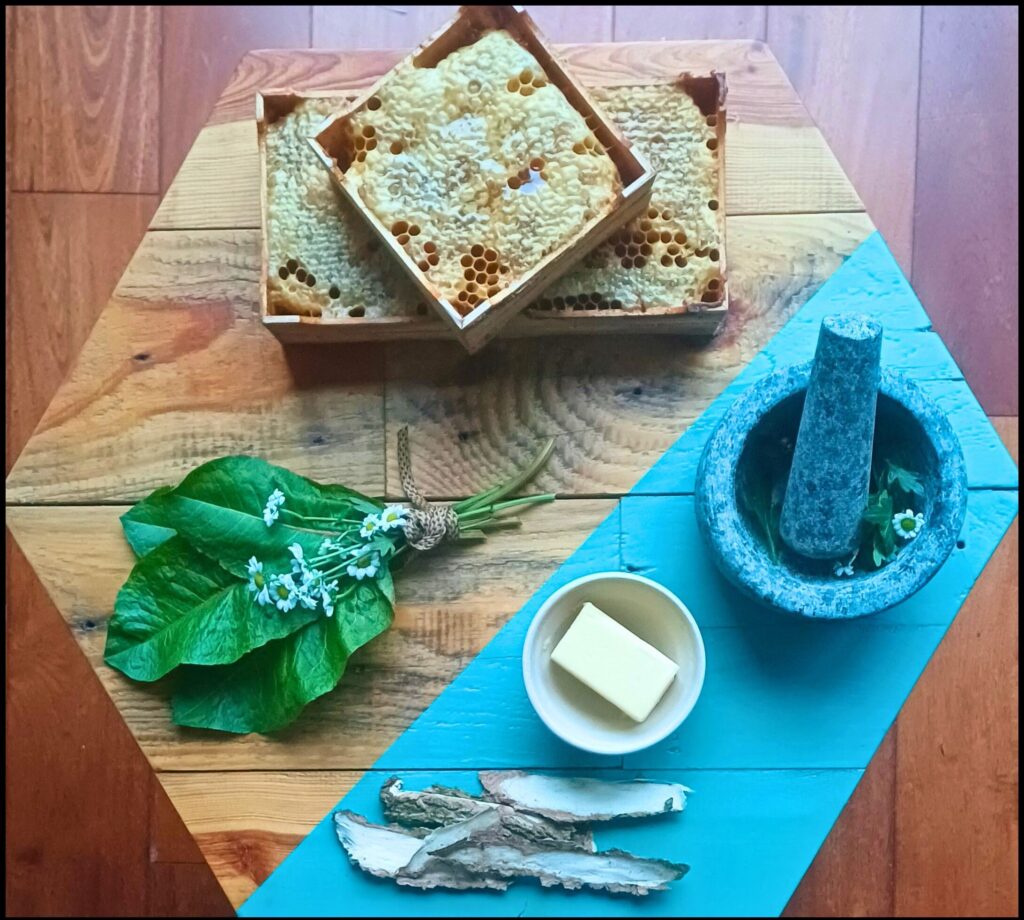
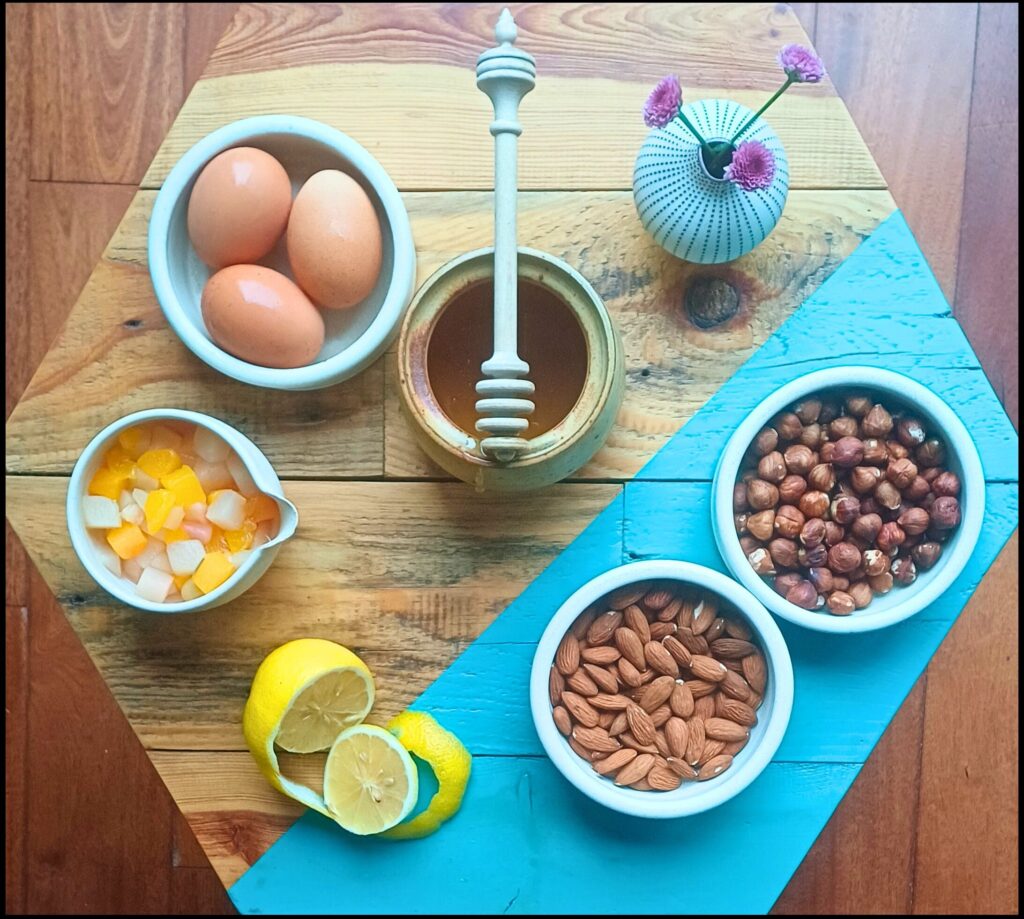
Table 1: Burn Ointment ingredients
Table 2: Italian Torrone ingredients
Leave a Reply